
Distribution
Where SACCOs and bancassurance fit
Embedded distribution reaches people who would never approach an insurer directly. It also moves the service burden onto institutions whose core business is not insurance.
5 min read

Banks and SACCOs already hold the relationship, the payment instruction and often the underlying asset being insured. That makes them natural distribution, and it creates an operating problem: the institution selling the cover is usually not equipped to service it.
The relationship is the channel
Credit-linked cover, group schemes and member products attach insurance to a decision the customer is already making. Conversion is high because the cover is contextual rather than solicited — but the customer's mental model is of their bank or SACCO, not of the carrier behind it.
Servicing has to travel with the sale
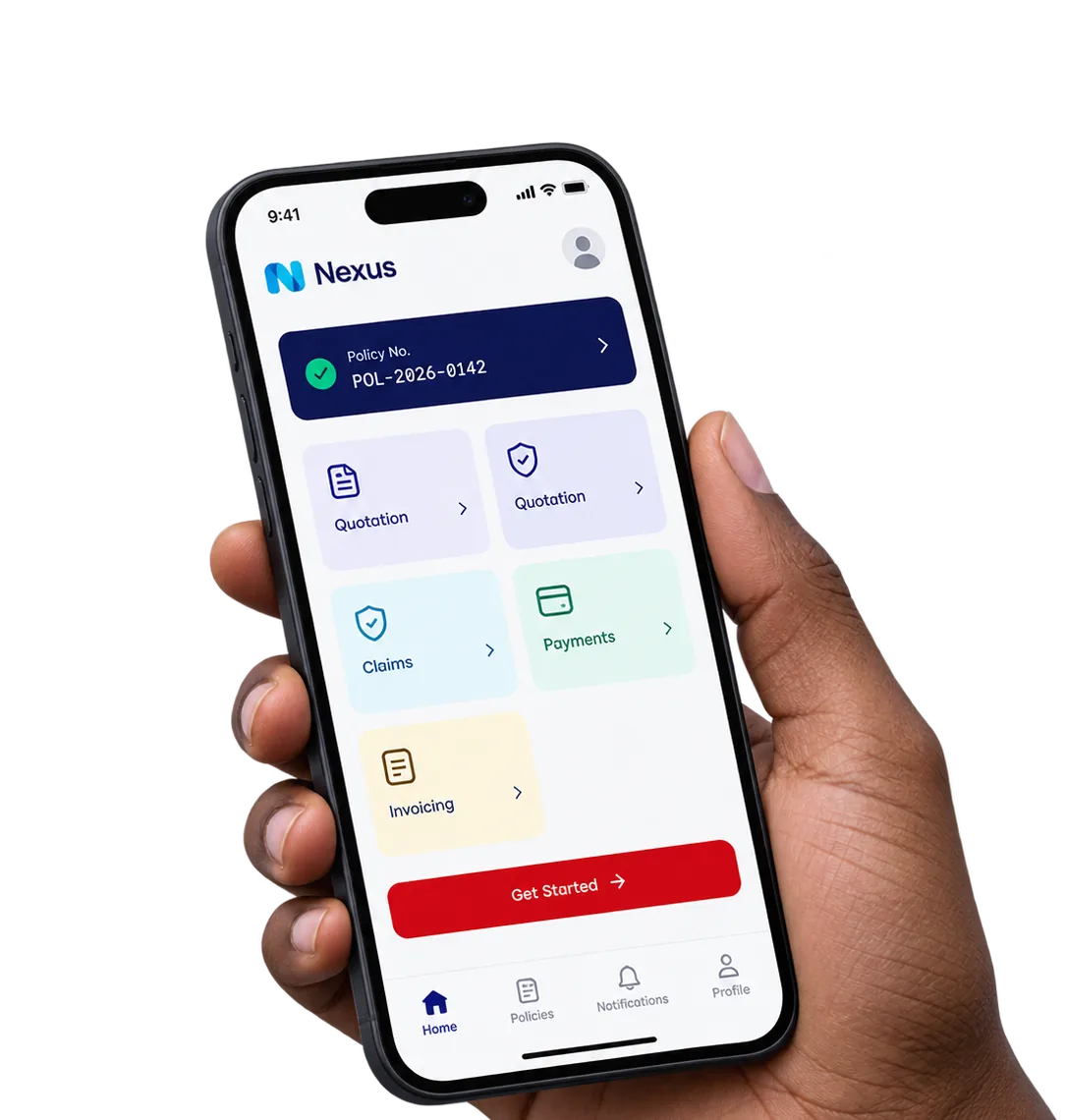
If a member has to leave the institution they trust in order to claim, the advantage of the channel evaporates at exactly the moment it matters. Partner-facing tooling — quoting, issuing, tracking a claim on behalf of a member — is what keeps the experience coherent.
Reconciliation is the quiet cost
Premium collected by a third party has to be identified, allocated and reconciled against policies that the third party did not issue. Where that runs on statements and spreadsheets it becomes the channel's binding constraint long before distribution does.